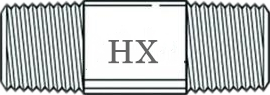


ভূমিকা
ব্রাস এবং জিঙ্ক অ্যালয় বিবিচকসের মধ্যে পছন্দকর্মক্ষমতা, স্থায়িত্ব এবং ব্যয়ের উপর উল্লেখযোগ্যভাবে প্রভাব ফেলে। এই প্রযুক্তিগত তুলনা প্রতিটি উপাদানের বৈশিষ্ট্য, সুবিধা এবং সীমাবদ্ধতা বিশ্লেষণ করে যাতে স্পেসিফায়ারদের তথ্যপূর্ণ সিদ্ধান্ত নিতে সহায়তা করা যায়।১. উপাদানের গঠন
১.১
ব্রাস বিবিচকসব্রাস হল একটি কপার-জিঙ্ক অ্যালয়, সাধারণত এতে থাকে:
কপার:
-
০.৫-১.৫%জিঙ্ক:
-
৯৫-৯৭%সীসা:
-
০.২-২.৫% (সীসামুক্ত বিকল্প উপলব্ধ)বিবিচকসের জন্য সাধারণ ব্রাস গ্রেড:
CW617N:
-
ফোর্জড ব্রাস, চমৎকার মেশিনিবিলিটিC37700:
-
সীসাযুক্ত ব্রাস, ভাল ক্ষয় প্রতিরোধ ক্ষমতাসীসামুক্ত ব্রাস:
-
পানীয় জলের জন্য NSF/ANSI 61 এর সাথে সঙ্গতিপূর্ণ১.২
জিঙ্ক অ্যালয় বিবিচকসজিঙ্ক অ্যালয় (জামাক নামেও পরিচিত) সাধারণত এতে থাকে:
জিঙ্ক:
-
৯৫-৯৭%অ্যালুমিনিয়াম:
-
৩-৪%কপার:
-
০.৫-১.৫%ম্যাগনেসিয়াম:
-
০.০৩-০.০৬%জিঙ্ক অ্যালয় সাধারণত সাশ্রয়ী উৎপাদনের জন্য ডাই-কাস্টিংয়ে ব্যবহৃত হয়।
২. যান্ত্রিক বৈশিষ্ট্য তুলনা
বৈশিষ্ট্য
| ব্রাস | জিঙ্ক অ্যালয় | সাধারণত সীসামুক্ত নয় |
|---|---|---|
| ৩০০-৫০০ MPa | ২০০-৩০০ MPa | কঠিনতা (ব্রিনেল) |
| ৮০-১৫০ HB | ৮০-১২০ HB | ঘনত্ব |
| ৮.৪-৮.৭ গ্রাম/সেমি³ | ৬.৬-৭.০ গ্রাম/সেমি³ | গলনাঙ্ক |
| ৯০০-৯৪০°C | ৩৮০-৩৯০°C | মেশিনিবিলিটি |
| চমৎকার | ভাল (ডাই-কাস্টিং) | ৩. ক্ষয় প্রতিরোধ ক্ষমতা |
ব্রাস
জিঙ্ক অ্যালয়
-
বিশুদ্ধ জল এবং বেশিরভাগ ক্ষয়কারী উপাদানের প্রতিডিজিঙ্কিফিকেশন ঝুঁকি
-
আগ্রাসী জলের পরিস্থিতিতে (ডিজিঙ্কিফিকেশন-প্রতিরোধী ব্রাস, DZR ব্যবহার করুন)উপযুক্ত
-
পানীয় জল, গরম জল এবং বহিরঙ্গন অ্যাপ্লিকেশনের জন্যজিঙ্ক অ্যালয়
সাধারণত সীসামুক্ত নয়
-
সুরক্ষামূলক আবরণের সাথে বিশুদ্ধ জলের প্রতিপ্রবণ
-
অম্লীয় বা ক্ষারীয় পরিবেশের প্রতিপ্রয়োজন
-
বহিরঙ্গন ব্যবহারের জন্য অ্যান্টি-কোরোশন প্লেটিং (ক্রোম, নিকেল)জন্য সুপারিশ করা হয় না
-
অতিরিক্ত সুরক্ষা ছাড়া উপকূলীয় এলাকা৪. ব্যয় তুলনা
কারণ
| ব্রাস | জিঙ্ক অ্যালয় | সাধারণত সীসামুক্ত নয় |
|---|---|---|
| উচ্চতর | নিম্ন (প্রায় ৩০-৫০% কম) | উৎপাদন প্রক্রিয়া |
| ফোর্জিং বা মেশিনিং | ডাই-কাস্টিং (উচ্চ পরিমাণ, কম ব্যয়) | চূড়ান্ত পণ্যের ব্যয় |
| প্রিমিয়াম | বাজেট-বান্ধব | জীবনচক্র ব্যয় |
| স্থায়িত্বের কারণে কম | প্রতিস্থাপনের প্রয়োজন হলে উচ্চতর | ৫. অ্যাপ্লিকেশন সুপারিশ |
ব্রাস বিবিচকস নির্বাচন করুন যখন:
পানীয় জলের অ্যাপ্লিকেশন (পানীয় জল)
-
উচ্চ চাপ বা তাপমাত্রা ব্যবস্থা
-
উপকূলীয় বা ক্ষয়কারী পরিবেশ
-
দীর্ঘ পরিষেবা জীবন প্রয়োজন (১০+ বছর)
-
বাণিজ্যিক বা শিল্প ইনস্টলেশন
-
গ্রাহক প্রিমিয়াম মানের আশা করে
-
জিঙ্ক অ্যালয় বিবিচকস নির্বাচন করুন যখন:
বাজেটের সীমাবদ্ধতা প্রধান উদ্বেগ
-
হালকা-শুল্ক আবাসিক অ্যাপ্লিকেশন
-
অভ্যন্তরীণ বা সুরক্ষিত বহিরঙ্গন ব্যবহার
-
কম-ফ্রিকোয়েন্সি অপারেশন
-
স্বল্পমেয়াদী ইনস্টলেশন
-
স্থায়িত্বের চেয়ে নান্দনিক ফিনিসকে অগ্রাধিকার দেওয়া হয়
-
৬. সীসার পরিমাণ এবং নিরাপত্তা
উপাদান
| সীসার পরিমাণ | পানীয় জলের জন্য অনুমোদিত | স্ট্যান্ডার্ড ব্রাস |
|---|---|---|
| ০.২-২.৫% | না (সীসামুক্ত না হলে) | সীসামুক্ত ব্রাস |
| <০.২৫% | হ্যাঁ (NSF/ANSI 61) | জিঙ্ক অ্যালয় |
| সাধারণত সীসামুক্ত নয় | হ্যাঁ (সঠিক আবরণের সাথে) | দ্রষ্টব্য: |
পানীয় জলের অ্যাপ্লিকেশনের জন্য, সর্বদা সীসামুক্ত ব্রাস বা প্রত্যয়িত জিঙ্ক অ্যালয় বিবিচকস নির্দিষ্ট করুন।৭. ব্যর্থতার মোড
ব্রাস বিবিচকসের ব্যর্থতা
ডিজিঙ্কিফিকেশন:
-
আগ্রাসী জলে অ্যালয় থেকে জিঙ্ক বেরিয়ে যায়স্ট্রেস ক্ষয় ফাটল:
-
নির্দিষ্ট পরিবেশে টান স্ট্রেসের অধীনে ঘটেথ্রেড গালিং:
-
স্টেইনলেস স্টিলের সংযোগের সাথে ঘটতে পারেজিঙ্ক অ্যালয় বিবিচকসের ব্যর্থতা
ক্ষয়:
-
আবরণের ব্যর্থতা সাদা মরিচা গঠনের দিকে পরিচালিত করেফাটল:
-
অম্লীয় পরিবেশে ইন্টারগ্রানুলার ক্ষয়হ্যান্ডেল ভাঙ্গা:
-
বারবার স্ট্রেসের অধীনে ক্লান্তি ব্যর্থতা৮. জীবন প্রত্যাশা
অ্যাপ্লিকেশন
| ব্রাস বিবিচক | জিঙ্ক অ্যালয় বিবিচক | অভ্যন্তরীণ আবাসিক |
|---|---|---|
| ১৫-২৫ বছর | ৫-১০ বছর | বহিরঙ্গন আবাসিক |
| ১০-২০ বছর | ৩-৭ বছর | বাণিজ্যিক |
| ১০-১৫ বছর | ২-৫ বছর | উপকূলীয় |
| ৮-১২ বছর (DZR প্রস্তাবিত)
সম্বন্ধে
চীন ভাল গুণ ইস্পাত পাইপ স্তনবৃন্ত সরবরাহকারী. © 2016 - 2026 Cangzhou Hongxin pipe fittings Co., Ltd.. All Rights Reserved.
|